
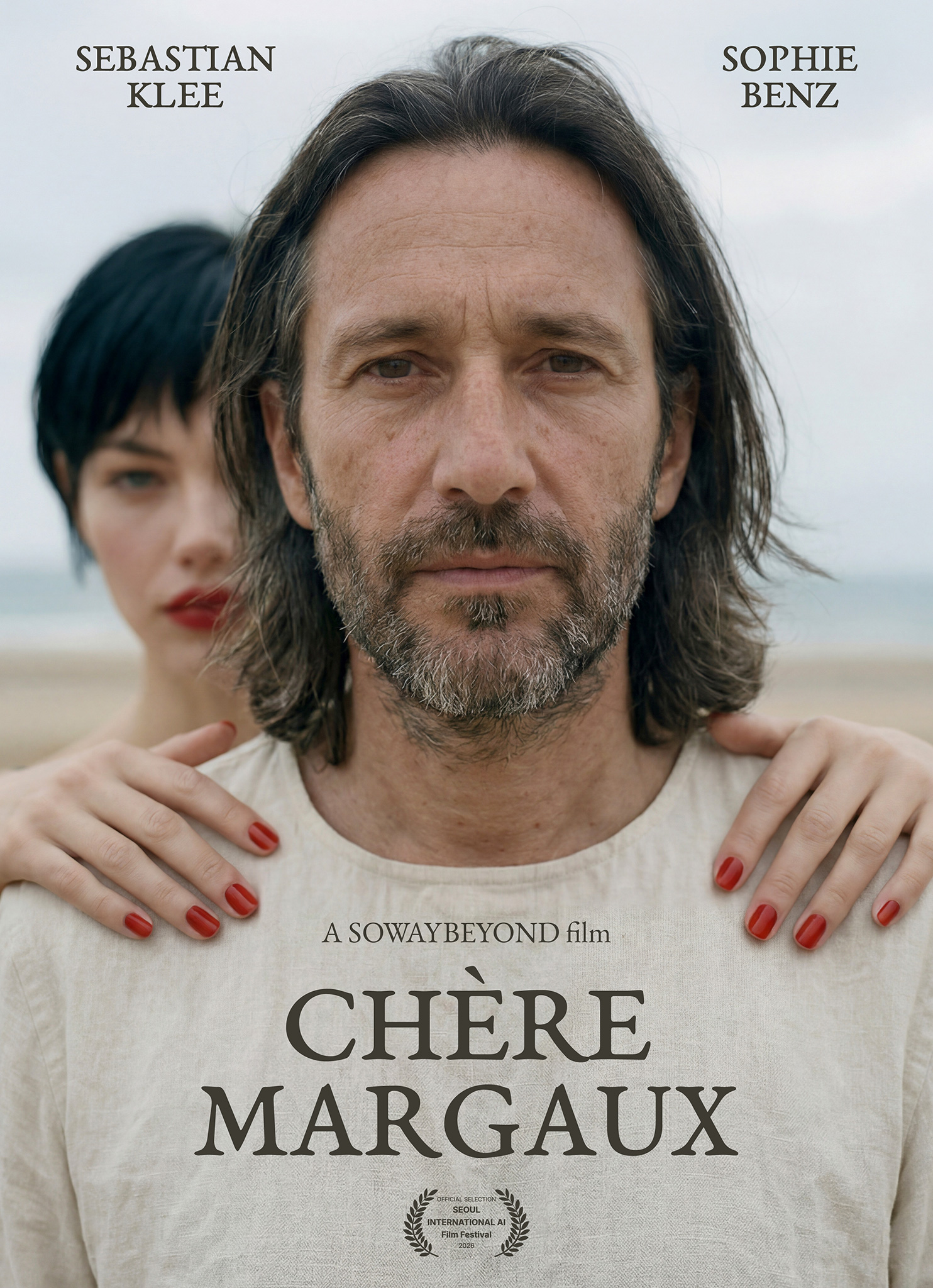
Chère Margaux poster

A short film by SOWAYBEYOND

Chère Margaux

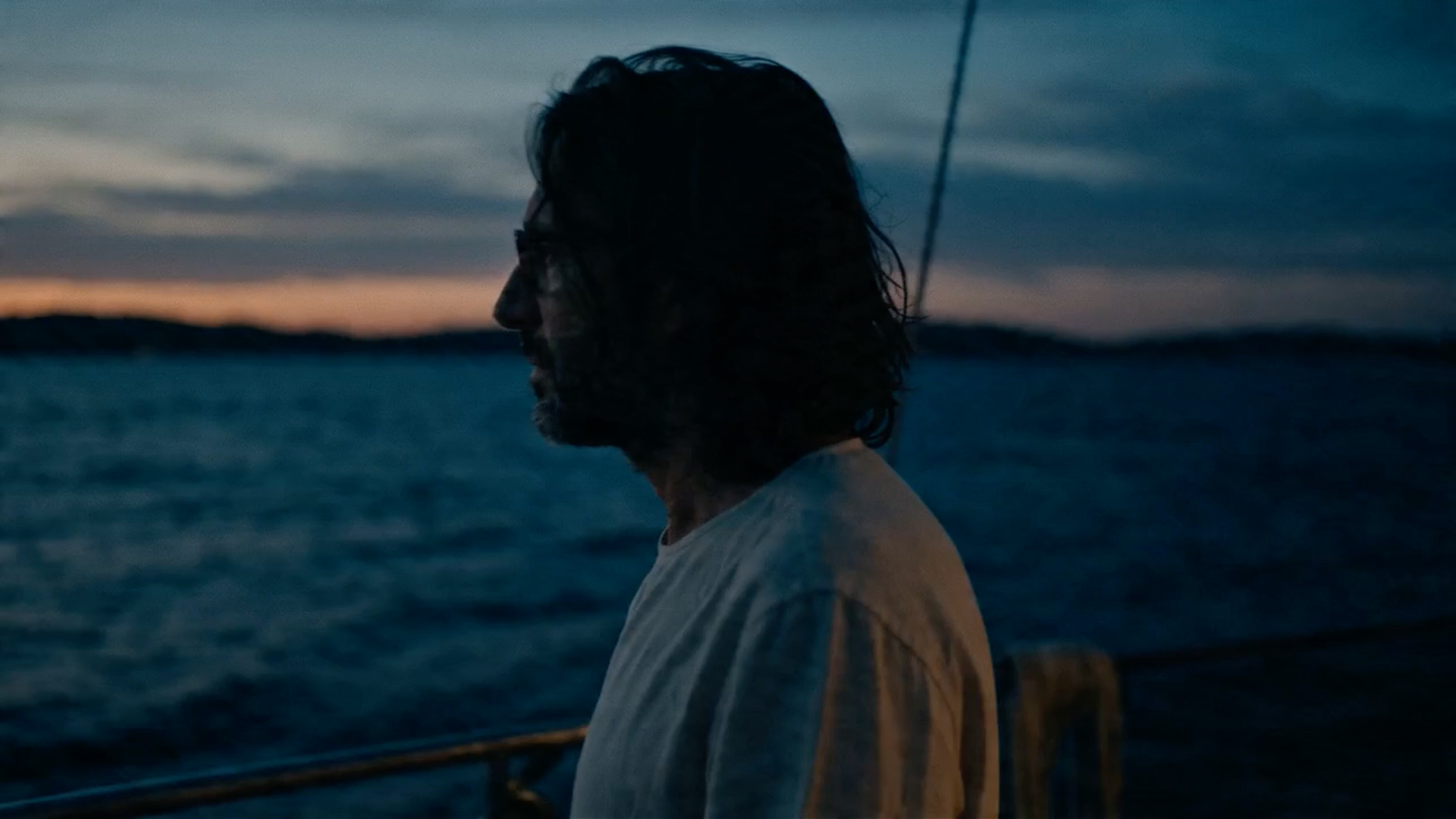
Chère Margaux is a four-minute short film set aboard a yacht anchored off the south of France. Julien, an older man, spends his evening alone on the boat. He reads on the bed. He places a record on the turntable. He stops at a mirror. What he finds there, and what it opens up in him, is the quiet centre of the film, held together by the reflection and ritual that led him there.

There is no narration. There is no dialogue. Music reaches places words cannot. An original piece called La chaleur est restée ("The Warmth Remained") plays on the record, and the rest of the film lives inside it.

The book resting beside Julien on the bed shares its title with the film. Its author shares a name with the man reading it. Whether he wrote it, remembers it, or dreamed it is left for the viewer to decide. The woman he loved is Margaux. Beyond that, the film lets the connections form in their own time.


Currently entering festival submission. Public release to follow.

How it was made

A human-led process beneath a wordless film
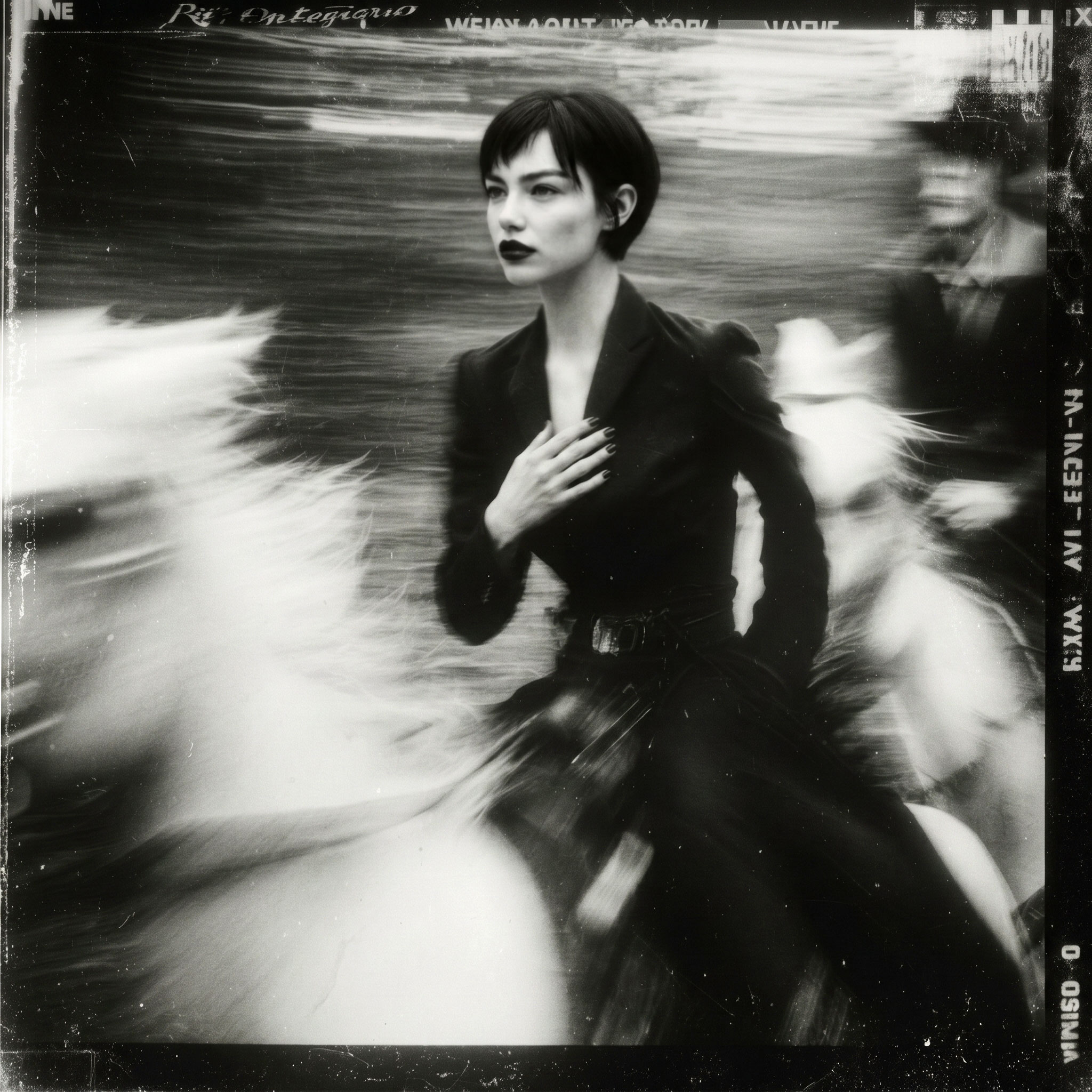
The film began with atmosphere and music. The score, by Zed Parish, set the emotional temperature long before any frame existed, and the images were built around the feeling the music had already established. Every stage of the production was tracked through a living journal of voice notes, written reflection, and project logs. That journal became part of the creative system, holding the film's emotional course steady as the underlying tools changed week by week.

Chère Margaux visual development reference still

Visual development

Aesthetic before identity

The visual language of the film began in MidJourney, used as a sketchbook for mood, colour, atmosphere, and cinematic tone. Its strength was not precision but aesthetic discovery, and it helped the film find the light and feeling it wanted to live inside before any character or object was locked. Google Nano Banana 2 entered later, for controlled image construction, character refinement, props, and yacht continuity. Those stills were then animated through Seedance 2, with Kling 3 used where it best served a specific shot. A disciplined reference library held the world together across every cut: the same Julien, the same Margaux, the same yacht interior, the same objects, the same emotional light.
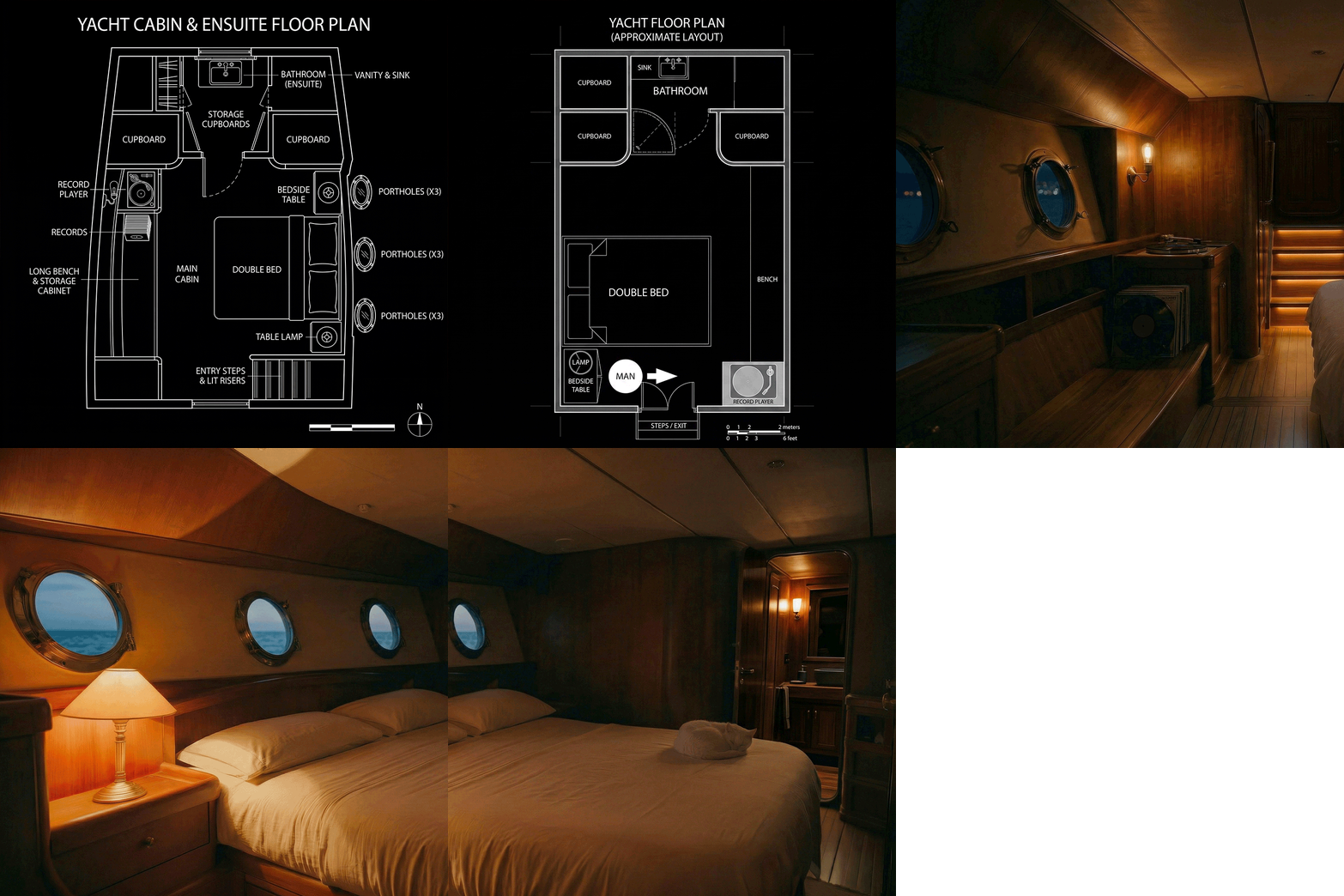
Animated yacht design sequence showing the cabin and floor plan development for Chère Margaux

The yacht

Designing the boat as a character

The yacht began as an exterior, a boat on open water, and it worked. The problem surfaced when the interior took shape. As the cabin was designed around how Julien actually moves through it, the bed, the record player, the bathroom, the mirror, the stairs, the deck, it became clear the outside and inside couldn't belong to the same vessel. The exterior had to be revisited and scaled up, carefully, keeping it believable and lived-in rather than grand. The boat became one of the film's clearest visual anchors and arguably as much work as the characters.
Chère Margaux edit and structure still

Edit and structure

Pacing, silence, and the weight of grief

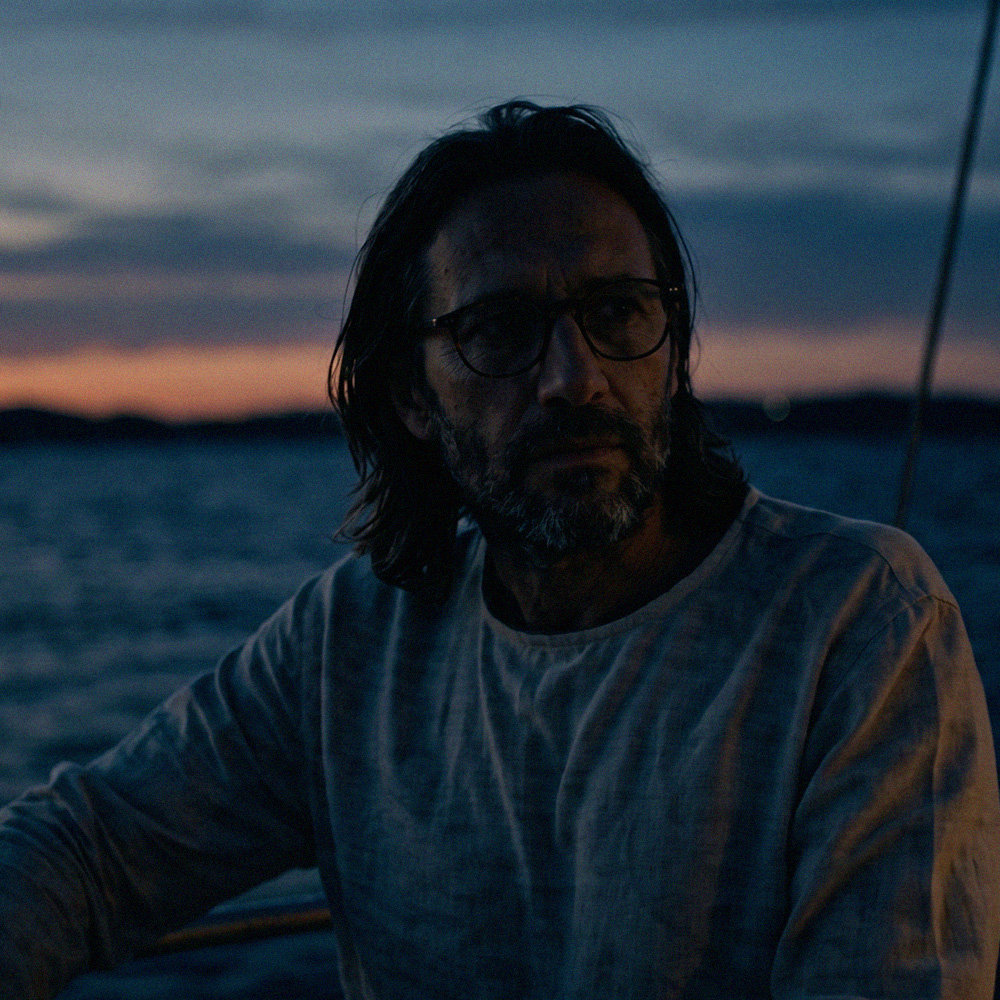
The final shape of the film came through sequencing, pacing, and restraint. The edit was assembled and finished manually in DaVinci Resolve. Silence was used deliberately, not as absence but as a way to give the music, the images, and the small physical gestures their full weight. The emotional register sits in melancholy: the slow pull of memory, the ache of loss, the quiet pain of a life that has carried something it cannot put down, and the strange, persistent beauty that lives inside grief. The film does not explain itself. It withholds, and trusts the audience to feel the shape of what is missing.
Chère Margaux music and sound reference

Music and sound

The score the film lives inside

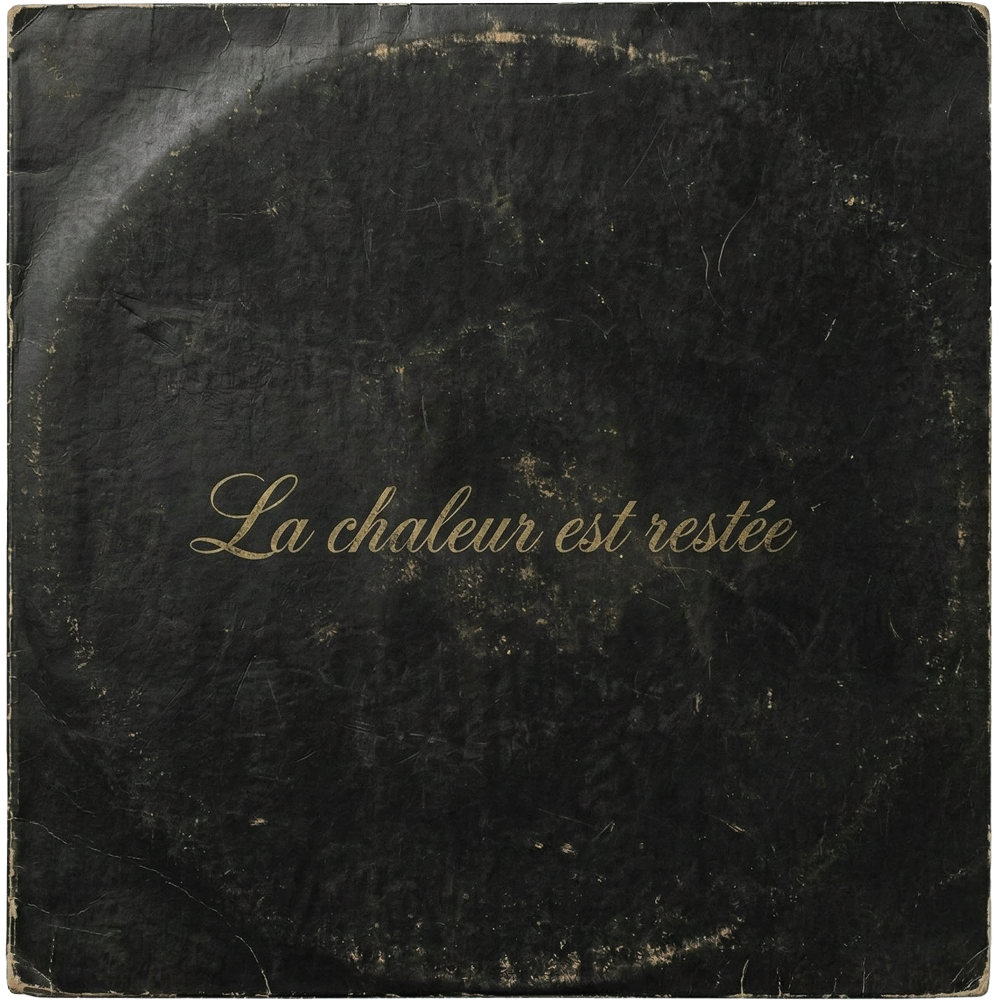
The original score, La chaleur est restée ("The Warmth Remained"), was composed and produced by Zed Parish. It set the emotional temperature of the film from the beginning, and every visual decision was built around the feeling the music had already established. The score, the room tone, and the small tactile sounds of a stylus, a page, a held breath, all carry the emotional weight the film needs without a single word being spoken.
SOWAYBEYOND artist image

SOWAYBEYOND

What the work is interested in

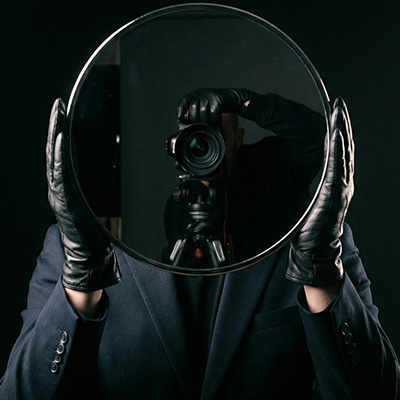
SOWAYBEYOND is the artist behind Chère Margaux. The work is built around a small set of long-running interests: the power of music in film, the difficult and necessary task of finding the one piece of music that lets a film become what it is, and a deep pull toward melancholy, grief, and the kinds of pain that humans live through. Inside that pain there is also beauty, and that quiet relationship between hurt and beauty is part of what the work keeps reaching for.

These interests sit inside the older, quieter tradition of European cinema that treats interior lives as subjects worth the full weight of a camera's attention. SOWAYBEYOND is not interested in the spectacle most AI video currently chases. The current artistic interest is in pushing the boundaries of these new tools in a different direction, toward more traditional filmmaking, slower, smaller, more emotionally honest work that takes its own time.

Director's note

From the artist

Chère Margaux began with music. The score, La chaleur est restée, by Zed Parish, was the emotional anchor before any frame existed. The images were built around the feeling the music had already established, never the other way around. Finding that one piece of music, and then trusting it to do the heaviest emotional work, was the most important decision of the entire project.

The two performers, Sebastian Klee as Julien and Sophie Benz as Margaux, are digital. They are credited as digital performances in the end titles. They were directed as performers, given stable identities, and shown the same care a cast of human actors would receive. They may return in future work as different characters, in the way a repertory cast moves between films.

The film carries no dialogue. That was a choice. The feelings the film reaches for, love, memory, the warmth that remains, sit beneath language. Music, light, gesture and silence carry what words could not. The film belongs to anyone who has held something they cannot let go of, in any country, in any tongue.

The film does not name what Julien has lost. It does not need to. The aim was something quieter: a film that takes the human heart seriously, sits with what cannot be fixed, and finds beauty in the parts of grief that do not move on.

The question underneath is not what was lost. It is what remains.

SOWAYBEYOND